How to Grow Peas
Updated June 2026
Peas are a sweet, fast cool-season crop for the home garden, from the warm Gulf states through to the cold north, as long as you catch the cool window.
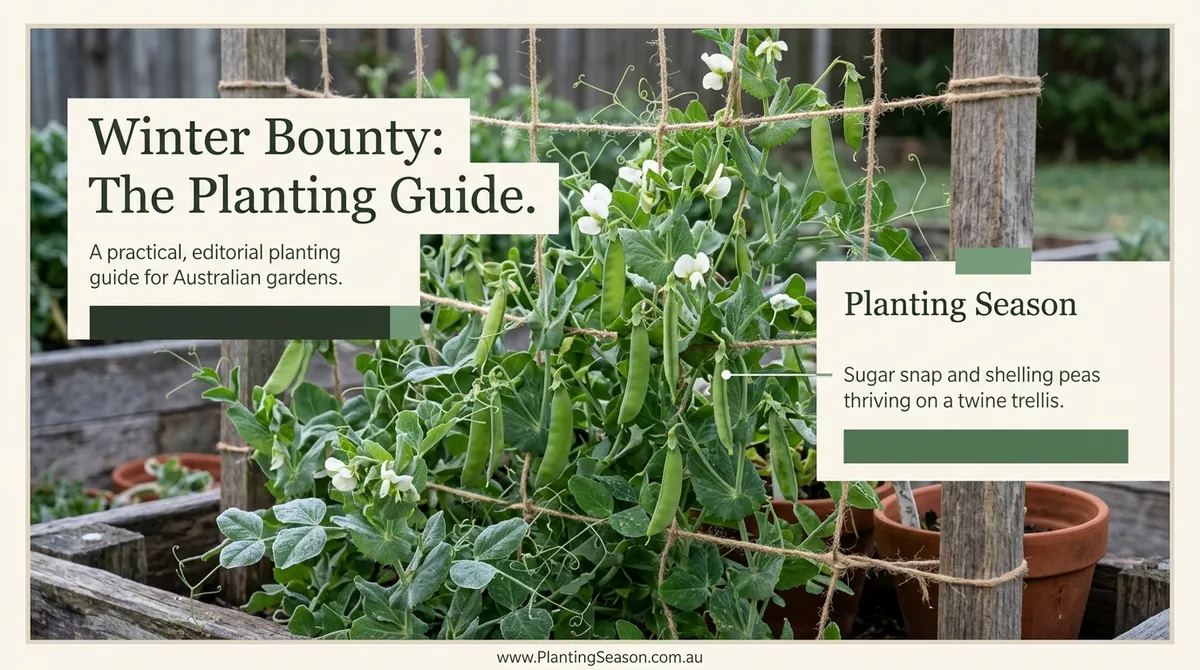
Few crops reward a gardener faster than a row of peas picked straight from the vine. Shelling peas give you sweet round seeds, snow peas give flat tender pods for the wok, and snap peas give plump crunchy pods you eat whole. All three grow the same way and all three want the same thing: cool weather.
Peas are firmly a cool-season crop. They germinate and grow best in mild conditions and stop setting pods once the days turn hot. That makes the timing very different depending on where you live. In Florida and the warm Gulf states you grow peas through fall and winter. In temperate zones you sow in early spring, and in the cold north you sow the moment the ground thaws.
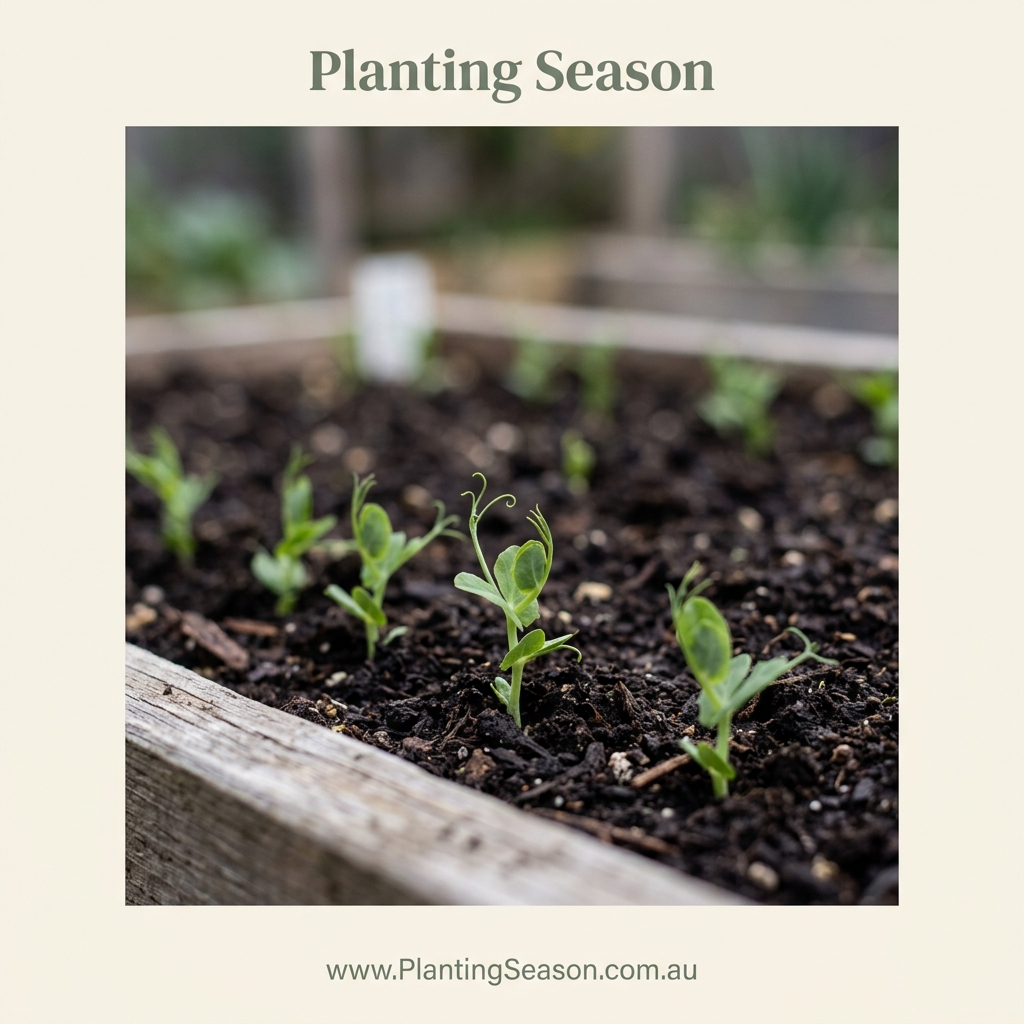
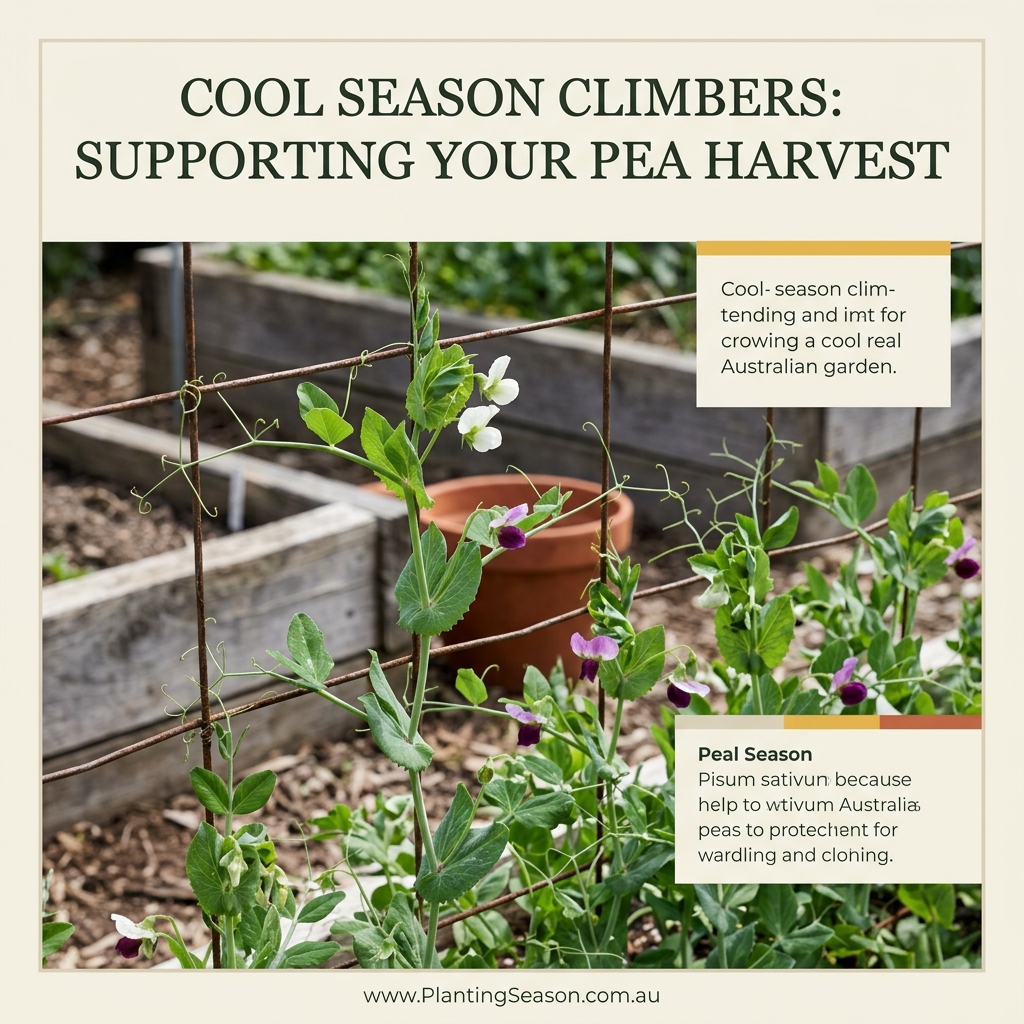
Sow seed directly where it is to grow, because peas resent root disturbance. Give them something to climb, keep the soil evenly moist, and pick often. Get the season right and peas are one of the easiest, most generous things you can grow.
Succession sowing planner
Choose your climate and pea type for your sowing window, spacing, support and harvest timing.
What it looks like as it grows
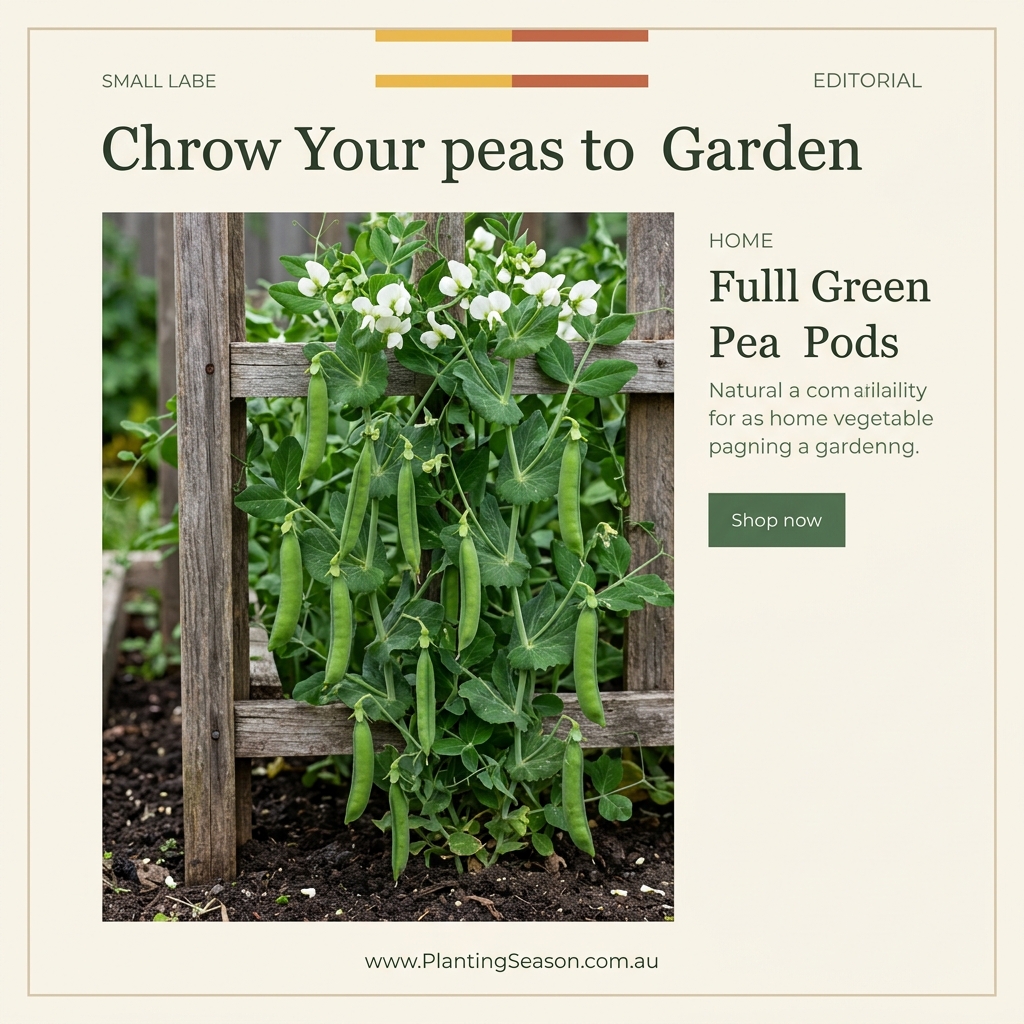
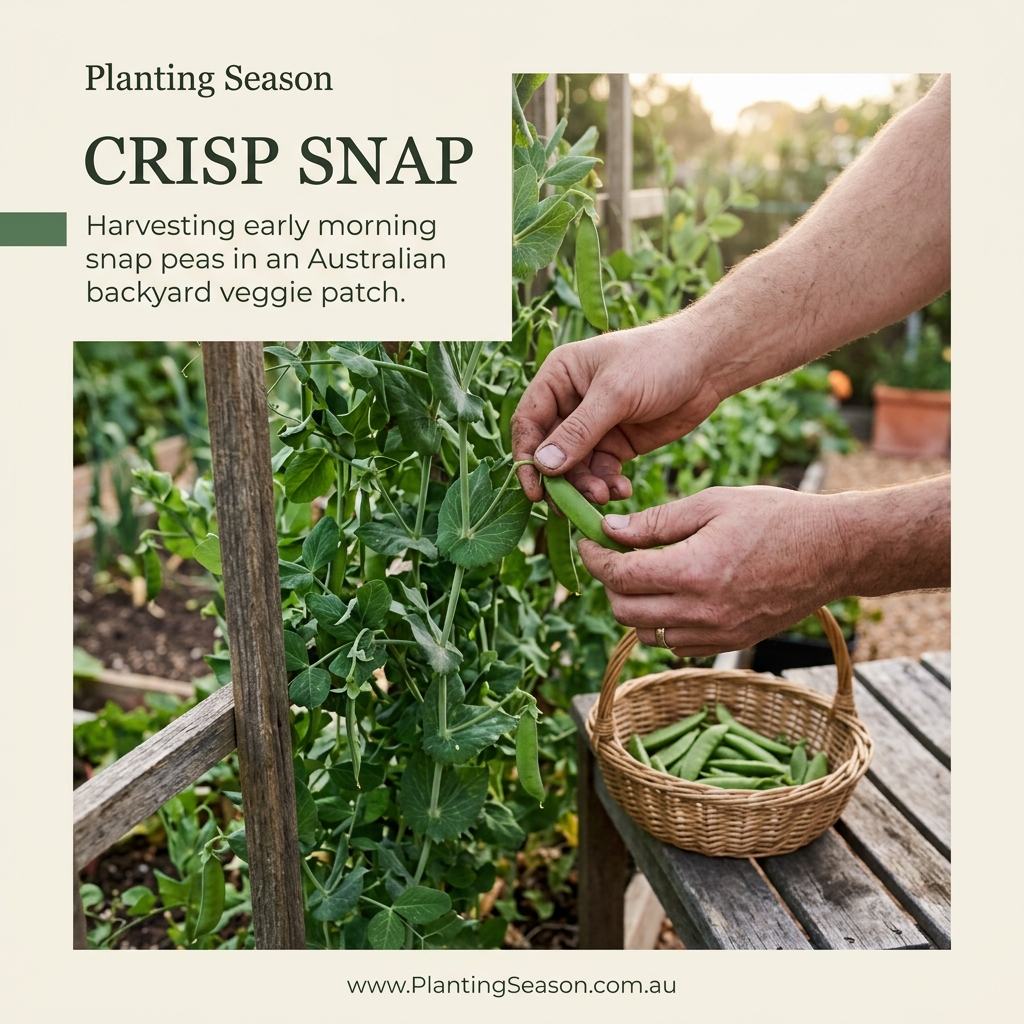
Position and Soil
Give peas full sun and a rich, well-drained soil with plenty of compost worked in. They like even moisture but hate waterlogged roots, so improve drainage in heavy ground and never let them sit wet. A soil pH around 6.0 to 7.0 suits them well. Like all legumes, peas fix their own nitrogen, so they need very little feeding. Skip heavy nitrogen fertilizer, which gives you leaves instead of pods.
Sowing
Sow seed directly about 1 to 1.25 inches deep, because peas dislike being transplanted. The key to a long harvest is succession: sow a fresh short row every 2 to 3 weeks through your cool-season window rather than one big planting that crops all at once. In Florida and the Gulf that window runs through fall and winter, in temperate zones through early spring, and in the cold north from the moment the soil can be worked.
Spacing
- In the row: about 1 inch apart, thinning is rarely needed.
- Between rows: 18 to 24 inches apart, or a double row either side of a single trellis.
- Containers: peas grow well in a pot 10 inches or more across with a trellis or netting for support.
Watering and Feeding
Keep the soil evenly moist, especially as the plants flower and fill their pods. In warm Florida weather that can mean watering deeply every couple of days. Water at the roots in the morning so the foliage dries quickly, which limits mildew. Feeding is minimal: a compost-rich bed is usually all peas need, and they return nitrogen to the soil for the crop that follows.
Common Problems
Watch for aphids and pea weevil on the plants. In humid regions, powdery mildew, pea rust and fusarium wilt can take hold, so space plants for airflow, water at the roots in the morning, and choose disease-resistant varieties where you can. Birds and slugs go after young seedlings, so protect new sowings until they are established. Rotating where you grow peas each year helps keep soil diseases down.
Harvest
Most peas are ready in about 60 to 70 days. Pick shelling peas when the pods are well filled but still bright and tender. Pick snow peas young and flat, before the seeds swell. Pick snap peas when the pods are plump and crisp. Harvest every couple of days: the more you pick, the more the plant produces. Peas are sweetest eaten soon after picking, so harvest in the cool of the morning.
Varieties for the US Garden
| Variety | Type | Days to Harvest | Notes |
|---|---|---|---|
| 'Wando' | Shelling | 65 to 70 | More heat-tolerant than most, a good choice for warmer zones. |
| 'Green Arrow' | Shelling | 65 to 70 | Heavy yields of long, slender, well-filled pods. |
| 'Oregon Sugar Pod' | Snow | 60 to 70 | Reliable flat pods, good disease resistance. |
| 'Sugar Snap' | Snap | 60 to 70 | Classic plump, sweet, crunchy edible pods on tall vines. |
| Climate | Sowing window |
|---|---|
| South / Gulf (incl. Florida) | October to February (South FL Nov to Jan) |
| Temperate / Mid US | February to April (early spring) |
| Cold north | March to April (as soon as ground thaws) |
Get pea timing tuned to your garden
The Planting Season app builds a month-by-month calendar for your region and reminds you when to sow each succession.
Open the app →Frequently Asked Questions
When should I plant peas in Florida?
Peas are a cool-season crop in Florida. Sow from fall through winter when the heat eases, roughly October to February. In South Florida the sweet spot is November to January. Peas planted in spring or summer struggle and stop setting pods once the days turn hot.
What is the difference between shelling, snow and snap peas?
Shelling peas are grown for the round seeds inside, you discard the pod. Snow peas are eaten whole as flat, tender immature pods. Snap peas are eaten whole as plump, crisp pods with developed peas inside. All three grow the same way and share the same cool-season timing.
Do peas need a trellis?
Tall climbing varieties need a 5 to 6 foot trellis or netting. Dwarf and bush types are largely self-supporting, though even they crop more cleanly with a few short twiggy sticks to lean on.
How do I sow peas for a continuous harvest?
Sow a fresh short row every 2 to 3 weeks through your cool-season window. This succession spreads the harvest over many weeks instead of one short glut. Space seed about 1 inch apart in the row with rows 18 to 24 inches apart.
When can I plant peas outside Florida?
In temperate and mid US zones, sow peas in early spring, February to April, as soon as the soil can be worked. In cold northern zones, sow as soon as the ground thaws, typically March to April. In the warm South and Gulf, including Florida, grow peas through fall and winter, October to February.
How long do peas take to harvest?
Most peas are ready in about 60 to 70 days from sowing. Pick pods regularly once they fill out to keep the plants flowering and producing.
Do peas need much fertilizer?
Like other legumes, peas fix their own nitrogen, so they need little feeding. A compost-rich, well-drained bed with even moisture is enough. Avoid heavy nitrogen, which produces leaves at the expense of pods.
See also: Peas in the plant library →
Related guides
Source: UF/IFAS Florida Vegetable Gardening Guide (SP 103); UF/IFAS Gardening Solutions; Southern Exposure Seed Exchange; Johnny's Selected Seeds variety notes.