
How to Grow Passionfruit
Updated June 2026
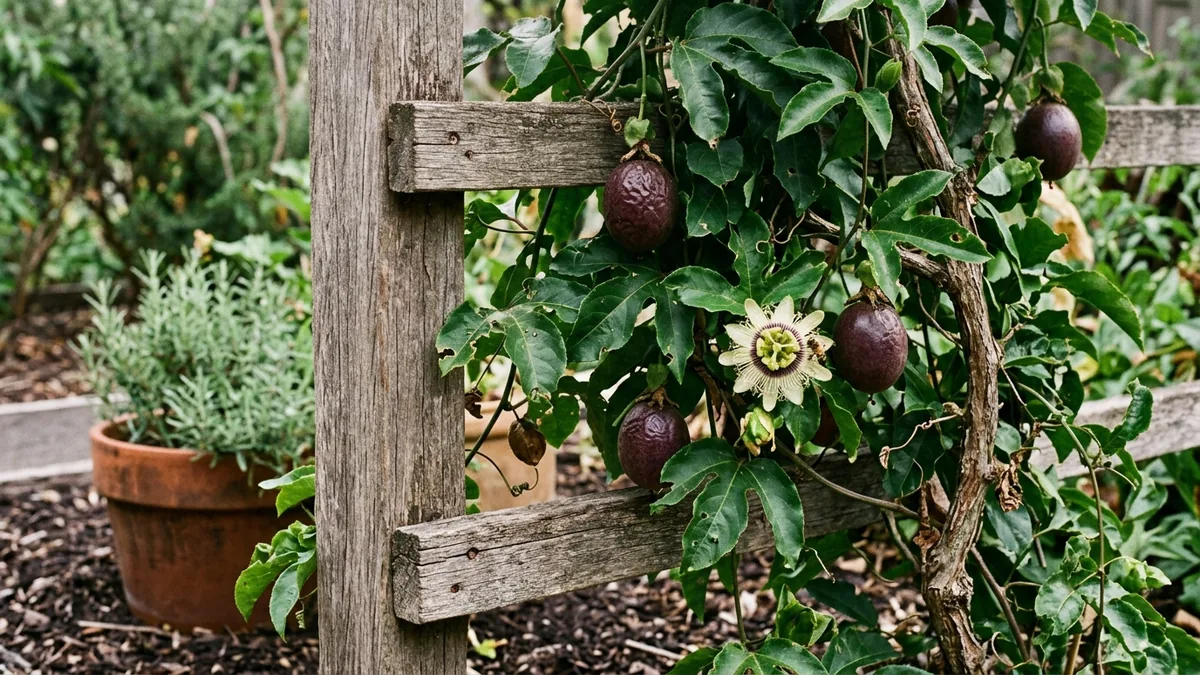
Pick your USDA zone, then get it growing: varieties, trellis, feeding, pollination and pruning
What it looks like as it grows
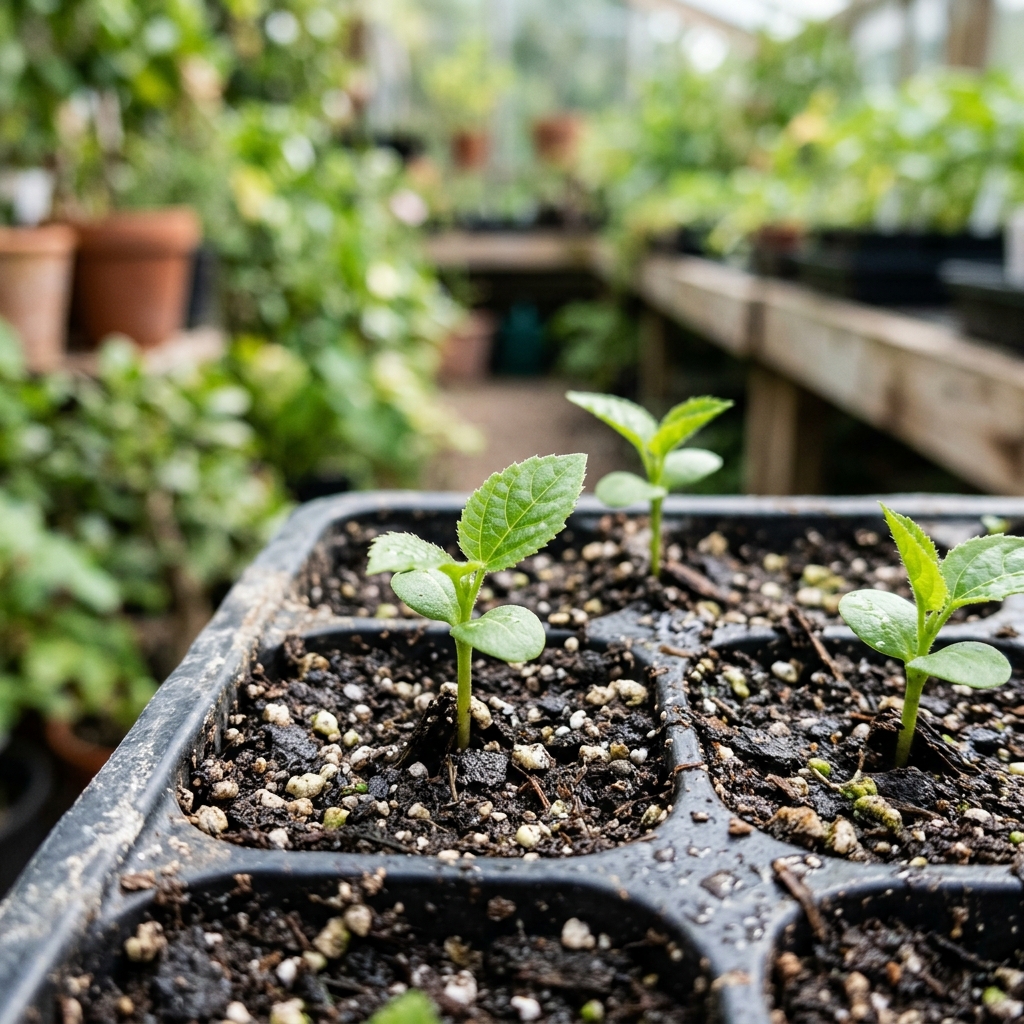
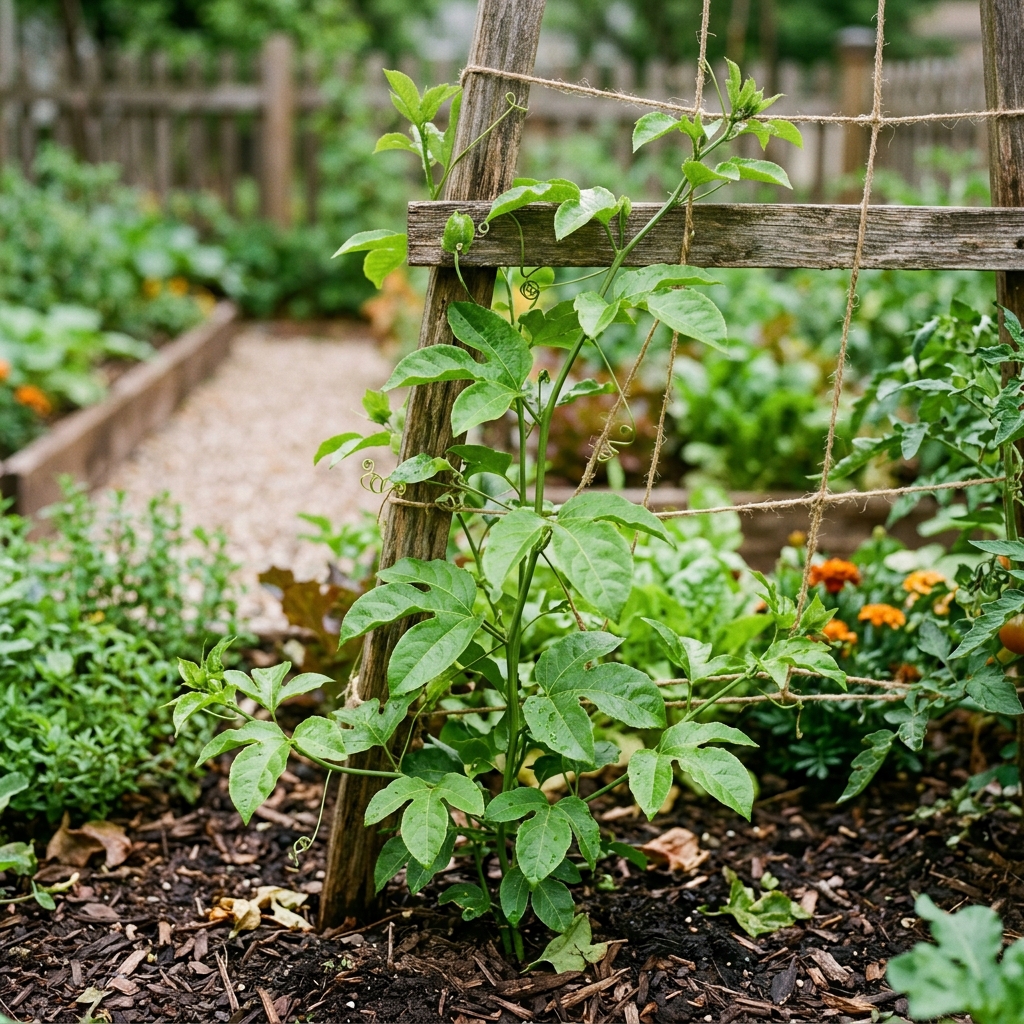
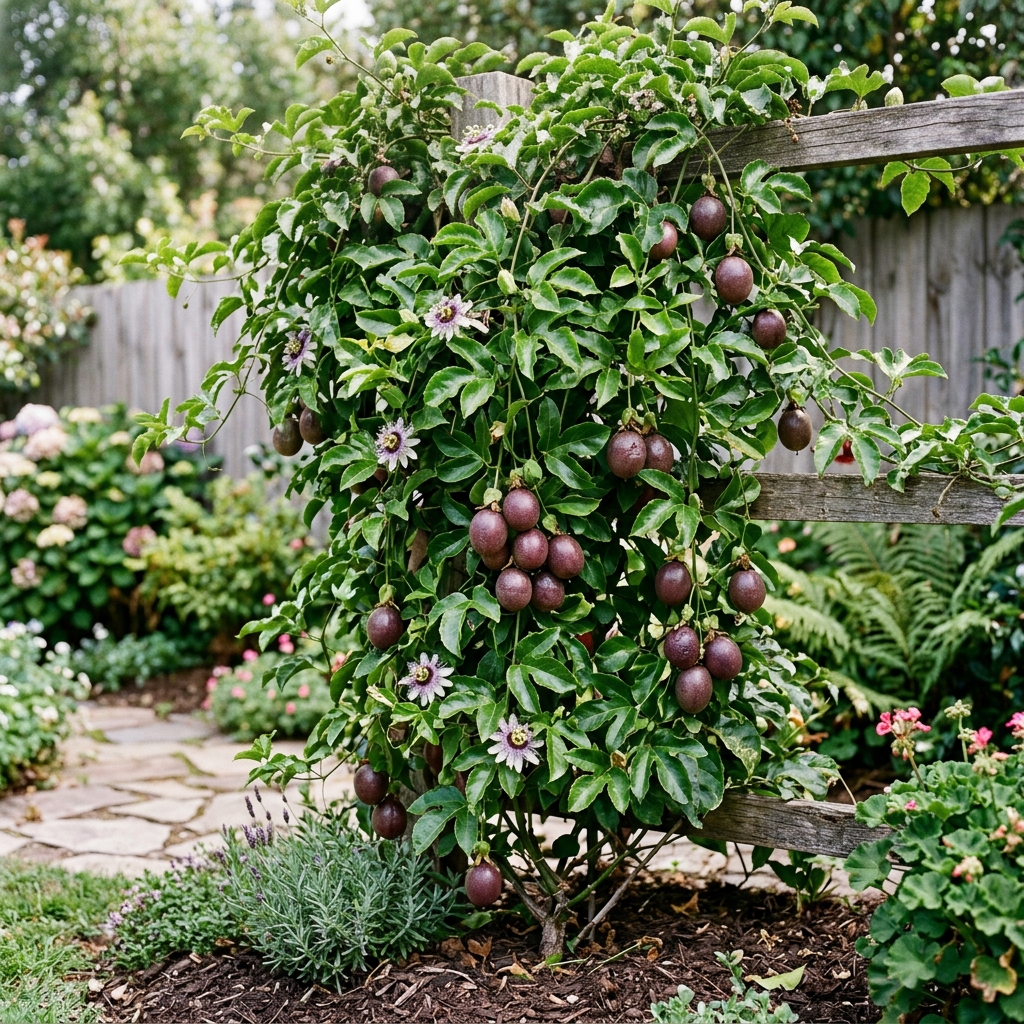
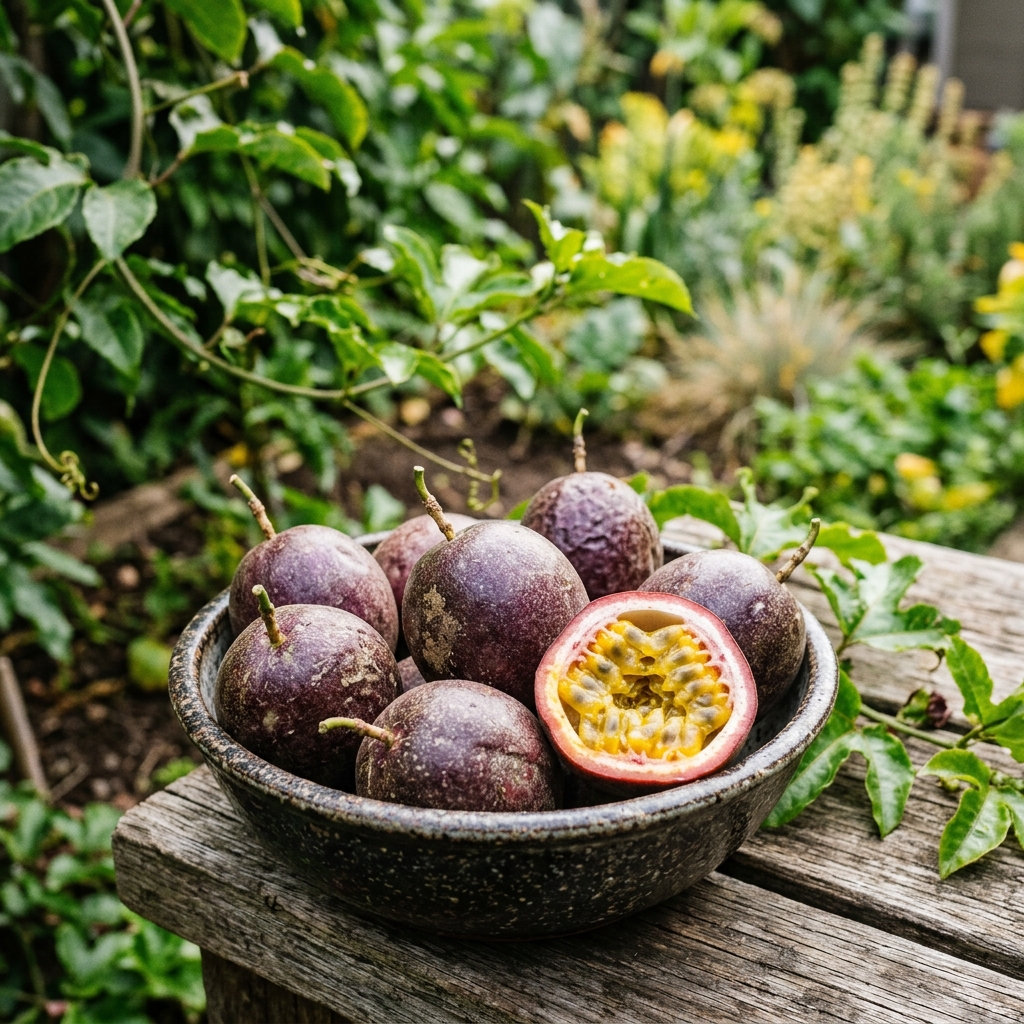
Passionfruit is one of the great backyard rewards. A single vine can cover a fence in a season and hang dozens of fruit, it grows fast and fruits young, and a sun-ripened passionfruit straight off your own vine tastes nothing like the cold-store fruit at the store.
The catch is climate. Passionfruit is a frost-tender, warm-climate vine. In the US it grows in the ground only in the warmest zones, roughly USDA 9b to 11 (think South Florida, the Gulf Coast, coastal southern California and Hawaii), and is grown in a large pot to overwinter indoors where the ground freezes. This guide starts by matching passionfruit to your zone, then takes you through varieties, support, feeding, pollination, pruning, harvest and the common problems.
Climate and Position: Will It Suit Where You Are?
Passionfruit needs warmth, a long growing season and full sun. Pick your USDA hardiness zone below to see whether to plant it in the ground, grow it in a pot, or give it winter protection, plus the variety types that suit you best.
Wherever you grow it, give passionfruit the warmest, sunniest, most sheltered spot you have, ideally a south or southeast facing wall or fence that soaks up sun and radiates warmth at night. It wants free-draining soil rich in organic matter and hates wet feet, so improve heavy clay with compost and plant on a slight mound if drainage is poor.
Best Varieties for US Gardens
Most gardeners are choosing between purple (black) passionfruit, which is the classic tart-sweet fruit and includes the most cold-tolerant named varieties, and yellow passionfruit (Passiflora edulis f. flavicarpa), which takes more heat and humidity but is not self-fertile, so it needs a second vine. Grafted purple vines are often the most reliable choice because the rootstock adds vigor and disease tolerance.
| Variety | Type | Best zones | Notes |
|---|---|---|---|
| Possum Purple | Purple, self-fertile | Zone 9b to 11 | Vigorous purple passionfruit that is hugely popular in Florida. Self-fertile, fast-growing and a reliable heavy cropper in warm, humid gardens. |
| Frederick | Purple-blushed, self-fertile | Zone 9 to 11 | Large fruit with purple blush and excellent flavor. Self-fertile and widely grown in California. A good single-vine choice for a home garden. |
| Nancy Garrison | Purple, self-fertile | Zone 9 to 11 | Productive purple variety and a long-time California favorite. Reliable and well suited to a warm, sheltered position. |
| Yellow passionfruit | Yellow (P. edulis f. flavicarpa) | Zone 10 to 11 | Heat- and disease-tolerant tropical type that thrives in humidity. Generally NOT self-fertile, so plant two vines for cross-pollination. Can become weedy in frost-free climates. |
| Maypop | Passiflora incarnata, native | Zone 5 to 9 | Cold-hardy native passionflower, hardy to about zone 5. Dies back in winter and resprouts each spring, with edible (if seedier, milder) fruit. The option for colder gardeners who want an edible passionflower in the ground. |
A note on banana passionfruit
Banana passionfruit (the elongated yellow fruit, Passiflora tarminiana and Passiflora mollissima) is very vigorous, but it is an aggressive invasive plant, especially in Hawaii, where birds spread its seed into native forest. Do not plant it where it can escape, and avoid it entirely in Hawaii. For most gardens choose a named purple variety such as Possum Purple or Frederick instead. Note that yellow passionfruit can also become weedy in frost-free climates.
Planting
Plant in spring once the soil has warmed and frost has passed, or right through the warm season in the frost-free South. Dig in plenty of compost and well-rotted manure before planting, and aim for a near-neutral pH around 6.5, adding garden lime if your soil is strongly acidic.
- Space vines about 6 feet (around 2 meters) apart along a fence or trellis.
- Plant at the same depth the vine sat in its pot, and keep the graft union (the swollen joint low on the stem) well above the soil so it cannot send out rootstock suckers.
- Water in well, mulch thickly to keep the roots cool and moist, and keep the mulch clear of the stem.
- Tie the leading shoots onto the support to start them climbing.
Watering and Feeding
Passionfruit is shallow-rooted and thirsty, especially while flowering and fruiting. Water deeply and regularly through the warm months and never let a fruiting vine dry out, or it will drop flowers and fruit. Mulch heavily to hold moisture and feed the soil life.
This is a hungry vine, but feeding it the wrong way is the most common reason for a wall of leaves and no fruit. Too much high-nitrogen fertilizer drives leafy growth at the expense of flowers and fruit. Use a fertilizer made for fruiting plants or citrus, which is lower in nitrogen and includes potassium, and feed little and often through spring and summer. Compost and aged manure are fine in moderation, but go easy. If your vine is all leaf and no flower, ease off the nitrogen and add some potassium (sulfate of potash).
Support and Pruning
Passionfruit climbs by tendrils and is far heavier than it looks once laden, so build a solid structure before you plant.
- Fence trellis: sturdy wire run along the top of a fence is the classic backyard setup. The vine runs along the wire and hangs fruit down.
- Free-standing trellis: two strong posts about 10 feet apart with three horizontal wires at roughly 2, 4 and 6 feet.
- Pergola or arbor: a vine will cover a pergola fast for shade and fruit, provided the frame can carry the weight.
Prune in early spring as growth restarts, never in the cold of winter. Cut back about a third of the growth to a healthy bud, remove dead and tangled wood to let light and air into the center, and shorten stems that have outrun their support. Fruit forms on the new season's growth, so a light annual prune keeps a vine vigorous and productive rather than a bird's nest of old wood.
Pollination
Passionfruit flowers must be pollinated to set fruit. Many named purple varieties are self-fertile, while yellow passionfruit is generally not self-fertile and needs a second vine nearby for cross-pollination. Large carpenter bees and honey bees are the main pollinators, so a garden busy with bees fruits better.
If you are getting flowers but no fruit, hand-pollinate around midday when flowers are fully open: brush pollen from the stamens onto the central stigmas with a small soft brush. Cold, wet or windy weather during flowering knocks pollination, so in cooler gardens the main set happens in the warmest part of the season.
Harvest and Storage
Passionfruit tells you when it is ready by falling to the ground, fully colored and ripe. You can also pick fruit once it is richly colored and let it finish on the counter. The skin wrinkles as it ripens further, which concentrates the flavor, so do not be put off by a crinkly skin.
Ripe fruit keeps about a week in the refrigerator. For a glut, scoop the pulp and freeze it in ice-cube trays, then tip the frozen cubes into a bag for smoothies, desserts, dressings and sauces all year. Whole fruit also freezes well.
Common Problems
All leaf, no fruit
Usually too much nitrogen, or a young vine still building up. Switch to a low-nitrogen fruiting fertilizer, add potassium, and be patient with a first-year vine. Also check it is not a rootstock sucker that has taken over, and remember yellow passionfruit needs a partner vine to set fruit.
Rootstock suckers
Grafted vines can throw suckers from below the graft. These are the rootstock, not the fruiting variety, and they usually look different (lighter, differently shaped leaves). Cut them off cleanly at the base as soon as you see them, or they will overrun the good variety and you will get a vigorous vine with little fruit.
Passionfruit woodiness virus
Causes hard, woody, pulp-poor fruit, distorted leaves and weak growth. There is no cure. Remove and destroy affected vines, buy certified clean plants, and control aphids, which spread it.
Fusarium wilt
A soil fungus that wilts and kills vines. Grafted rootstocks give some resistance. Do not replant passionfruit in a spot where a vine died of wilt.
Cold dieback
In zone 8 and 9, a hard freeze can cut a vine back to the ground or kill it outright. Mulch the roots heavily, grow against a warm wall, and in marginal zones treat the vine as one that may need to resprout or be replaced after a cold winter.
Track your passionfruit vine in the app
Add passionfruit to your garden in the Planting Season app and get reminders for feeding, pruning and harvest, tuned to your region.
Open the App →Frequently Asked Questions
When should I plant passionfruit?
Plant in spring once the soil has warmed and all danger of frost has passed. In the frost-free South and other warm zones you can plant from spring through early fall. Avoid planting in late fall or winter, as cold soil stunts young vines and frost can kill them outright.
How long does passionfruit take to produce fruit?
A vine usually produces its first fruit 6 to 12 months after planting, with the heaviest crops in years two to four. A vine planted in spring will commonly fruit by the following summer or fall.
Why is my passionfruit flowering but not setting fruit?
The usual causes are too much high-nitrogen fertilizer, poor pollination, cold or wet weather during flowering, or a rootstock sucker taking over. Yellow passionfruit also needs a second vine for cross-pollination. Switch to a low-nitrogen fruiting fertilizer, hand-pollinate at midday with a soft brush, and remove any rootstock suckers.
Can I grow passionfruit in a pot?
Yes. Use a large pot of at least 15 gallons (about 55 liters) with a trellis behind it. Pots are the best option for gardeners in zone 7 and colder who can move the vine indoors or to a bright frost-free spot over winter. Pots dry out and run short of food faster than the ground, so water consistently and feed little and often.
What USDA zones can grow passionfruit?
Edible passionfruit grows in the ground in roughly USDA zone 9b to 11, such as South Florida, the Gulf Coast, coastal southern California and Hawaii. In zone 8 it is marginal and usually needs a warm wall and frost protection. In zone 7 and colder, grow it in a large pot to overwinter indoors, or grow the cold-hardy native maypop (Passiflora incarnata), which is hardy to about zone 5 or 6.
Is banana passionfruit invasive?
Banana passionfruit (Passiflora tarminiana and Passiflora mollissima) is an aggressive invasive plant, especially in Hawaii, where birds spread its seed into native forest. Do not plant it where it can escape, and avoid it entirely in Hawaii. Choose a named purple variety such as Possum Purple or Frederick instead.
How do I prune a passionfruit vine?
Prune in early spring as growth starts, never in the cold of winter. Cut back about a third of the growth to a healthy bud, thin out tangled and dead wood, and shorten stems that have outgrown their support. Fruit forms on new growth, so a light annual prune keeps the vine productive.
How do I store and ripen passionfruit?
Let fruit fall or pick it fully colored, then ripen at room temperature until the skin wrinkles, which deepens the flavor. Ripe fruit keeps about a week in the refrigerator, or scoop the pulp and freeze it in ice-cube trays for use all year.
See also: Passionfruit in the Plant Library and our guide to preserving a garden glut.