How to Grow Bell Pepper
Updated June 2026
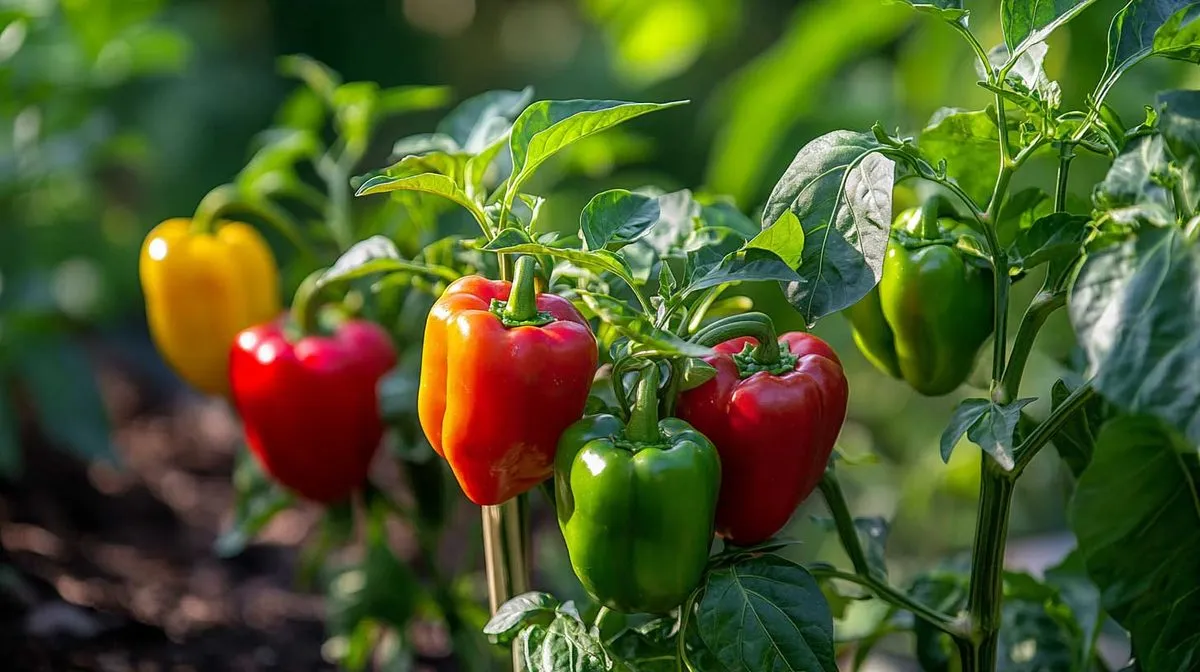
A frost-anchored sowing selector, variety picks, ripening tips, and fixes for the usual problems.
Bell peppers are a rewarding warm-season crop that produce colorful, crunchy fruit from a compact plant. They need a long stretch of warm weather and a little patience, but home-grown peppers left to ripen fully on the plant are far sweeter than anything from the store.
The key across the US is matching your timing to your frost dates. A Florida grower and a Zone 5 grower are months apart, and getting the indoor start right is what separates a heavy crop from a stalled one. Use the selector below to see what your USDA zone calls for, then read on for varieties, pollination, and how to dodge blossom end rot.
Climate sowing selector
Pick your zone to see when and how to start bell peppers where you garden.
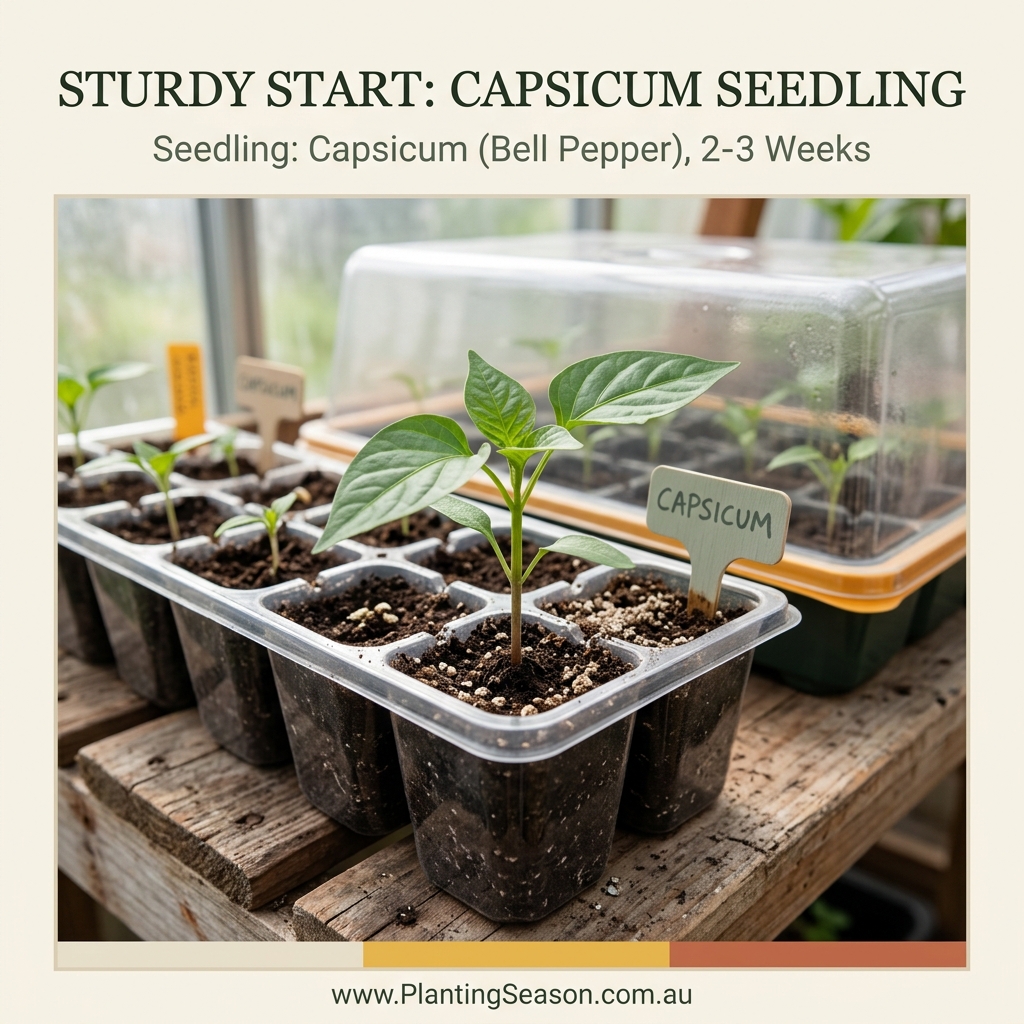
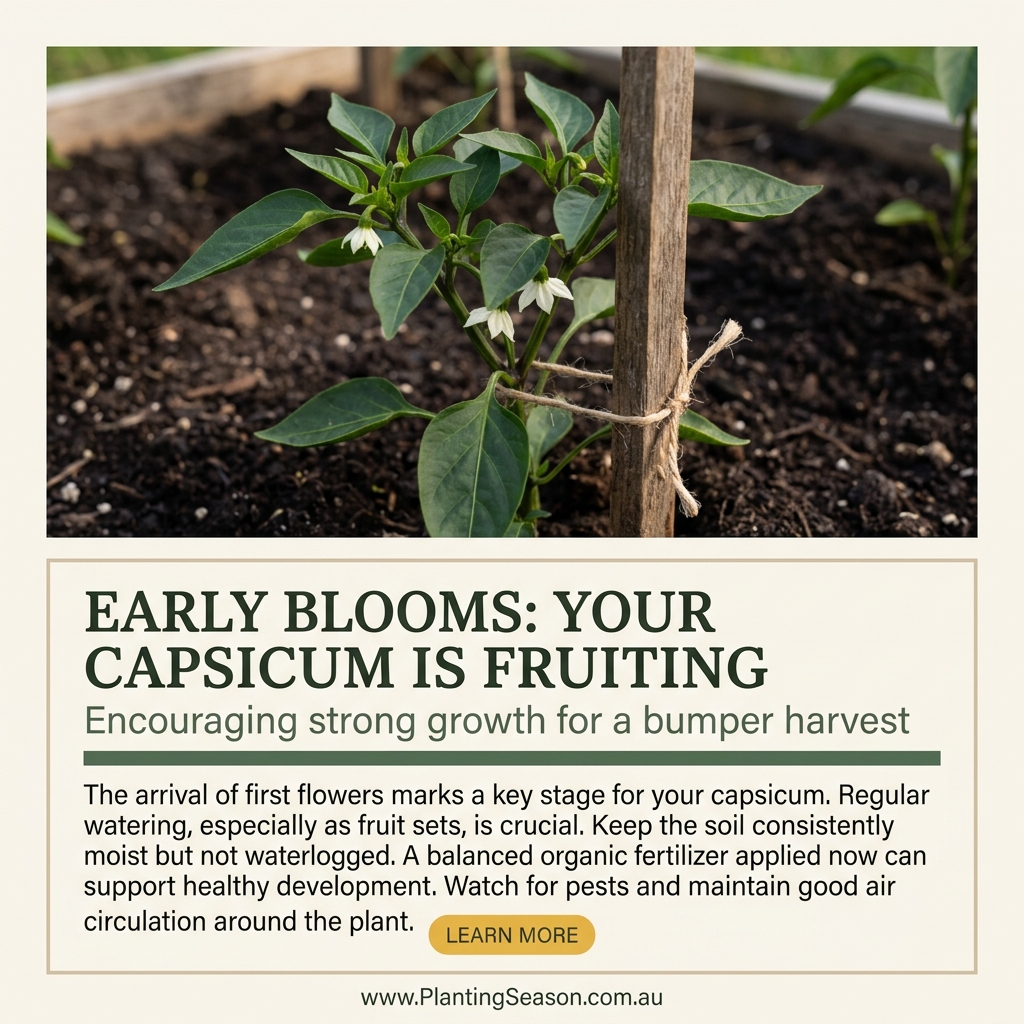
What it looks like as it grows
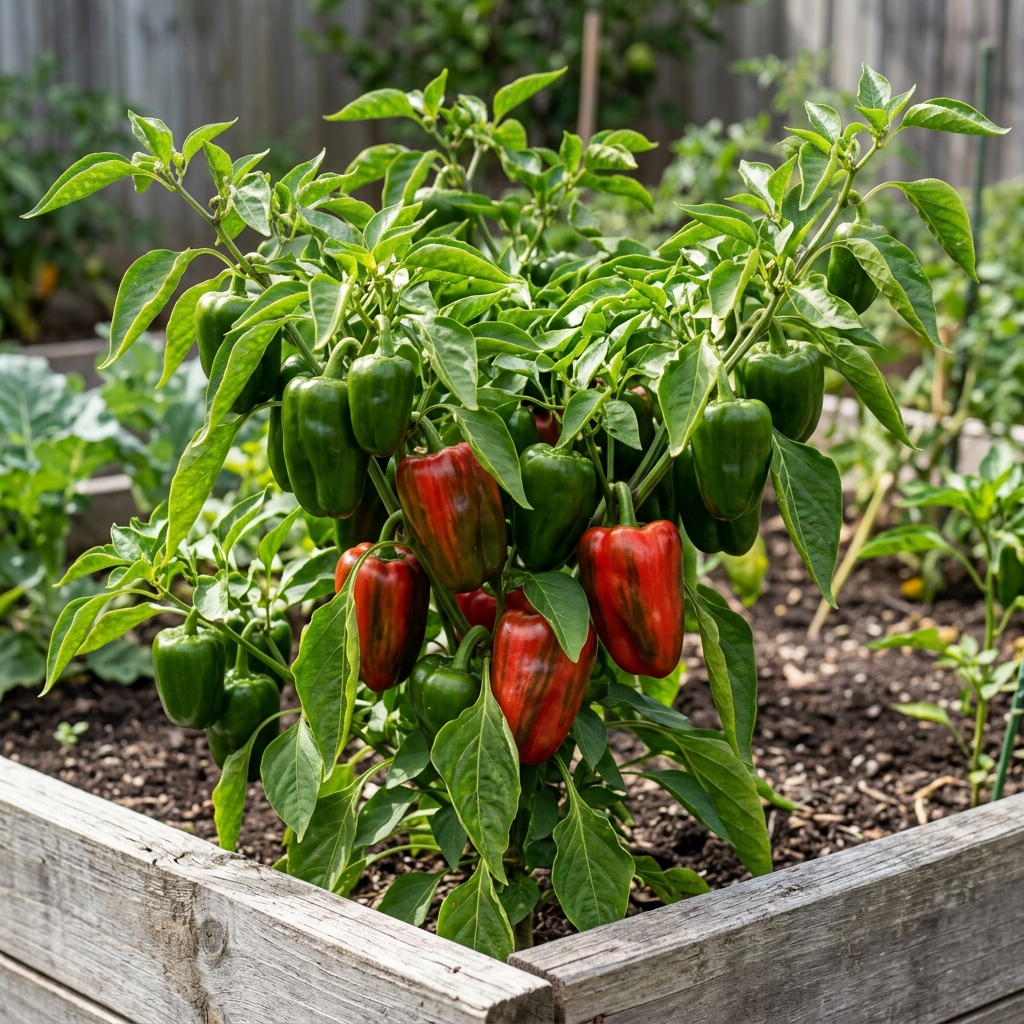
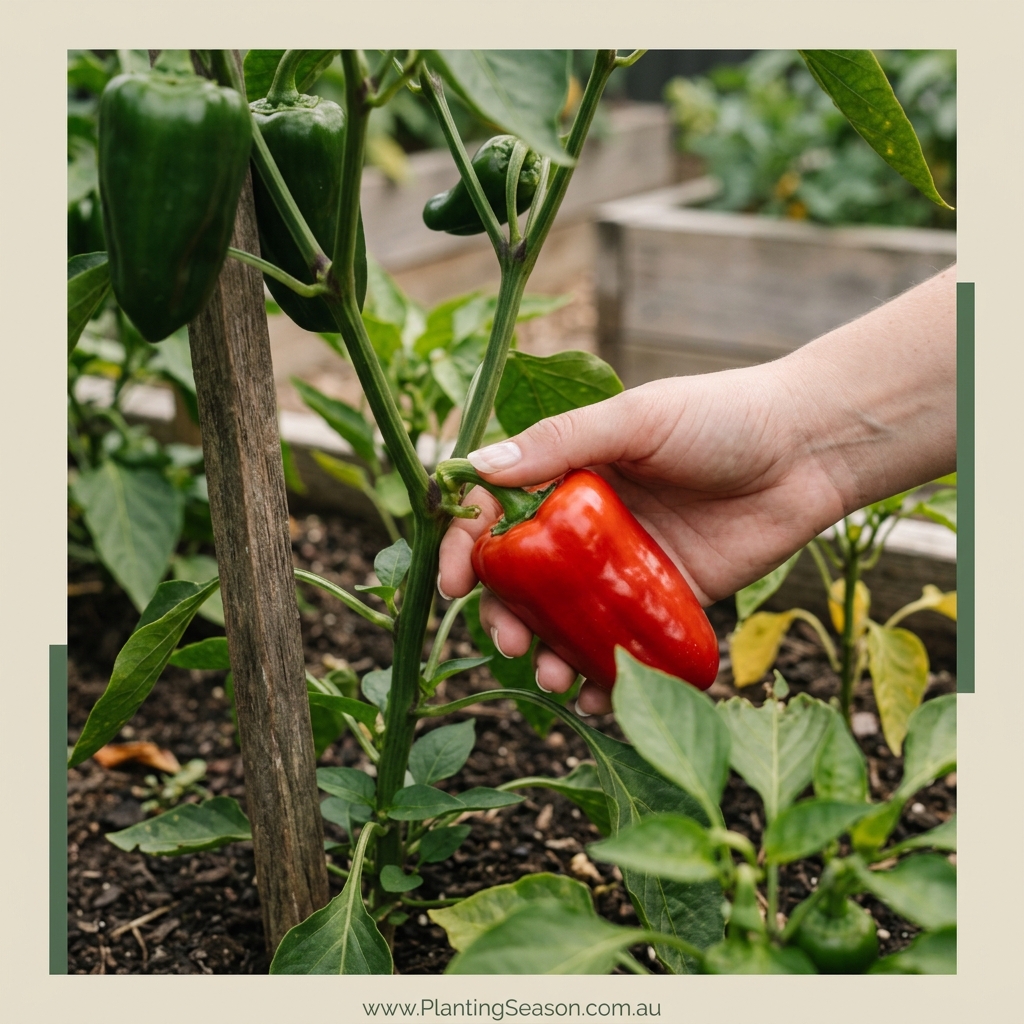
Position & soil
Bell peppers want the warmest, sunniest spot you have, with at least 6 to 8 hours of direct sun a day. Pick a sheltered position out of strong wind, which can snap the brittle branches once they carry fruit.
- Soil should be rich, well-drained, and slightly acidic to neutral (pH 6.0 to 7.0).
- Work in plenty of compost or aged manure before planting.
- In cooler zones, plant against a warm south-facing wall or in a container that heats up fast to lift ripening.
- Avoid beds where you grew tomatoes, eggplant, or potatoes last season, since they share soil diseases.
Sowing & planting
- Start seeds indoors 8 to 10 weeks before your last frost. Peppers germinate slowly and need warm soil around 75 to 85 degrees F. A heat mat or warm windowsill helps a lot.
- Barely cover the seed in trays or small pots of seed-starting mix. Expect germination in 1 to 3 weeks.
- Transplant 2 to 3 weeks after your last frost, once night temperatures stay above 55 degrees F. Cold nights stall growth and delay fruiting.
- Harden off seedlings over a week, moving them outdoors for longer each day before planting out.
- In-ground or container: both work well. A pot at least 12 in across with free-draining mix suits patios and cooler zones because it warms faster than garden soil.
Spacing
Space plants about 18 in apart in rows roughly 24 in apart. Bell peppers grow into bushes around 24 to 30 in tall, so they need good airflow but less room than tomatoes. Stake each plant or use a small cage, since heavy fruit can snap branches.
Watering & feeding
- Water deeply and evenly. In hot weather that can mean roughly 2 gal per plant every couple of days. Consistent moisture is the biggest factor in avoiding blossom end rot.
- Mulch well with straw to hold moisture and even out soil temperature.
- Feed every 2 weeks once flowering begins with a potassium-rich fertilizer such as tomato food.
- Go easy on nitrogen, which pushes leafy growth at the expense of fruit and can trigger flower drop.
Pollination
Bell peppers are self-fertile, so each flower can set fruit on its own without a second plant. A gentle daily shake of the plant, or a light breeze, helps move pollen within each flower and improves fruit set. The bigger risk is heat-related flower drop: when days top 90 degrees F or nights fall below 55 degrees F, flowers often drop before they set. Steady warmth matters far more than attracting pollinators.
Common problems
Blossom end rot
Dark, sunken patches on the bottom of the fruit. This is a calcium issue in the developing fruit, almost always caused by inconsistent watering rather than a soil shortage. Water deeply and evenly, mulch well, and avoid high-nitrogen feeds. Remove affected fruit so the plant redirects energy to healthy ones.
Flower drop
Flowers fall off without setting when days top 90 degrees F or nights fall below 55 degrees F, or when the plant has had too much nitrogen. Provide afternoon shade in heat waves and be patient through temperature extremes.
Sunscald
Pale, leathery patches on fruit exposed to harsh direct sun. The fruit is still edible. Keep good leaf cover by not over-pruning, and use light shade cloth in extreme heat.
Pests
Watch for aphids on new growth and under leaves. In humid regions, bacterial spot can appear, so space for airflow and water at the roots in the morning. See the pest and disease guide for organic control.
Harvest
All bell peppers start green and change color as they ripen, so a green pepper is just an unripe one. Leaving fruit on the plant to color up fully (red, yellow, orange) develops much more sweetness, flavor, and vitamin C.
- First green fruit is ready about 60 to 90 days after transplanting, depending on variety.
- Full ripening takes another 2 to 4 weeks of warm weather once fruit reaches full size.
- Pick the first few fruit green to keep the plant producing.
- Cut fruit with pruners rather than pulling, which can tear branches.
- In cooler zones, remove late-season flowers so the plant ripens existing fruit before frost.
Best varieties
| Variety | Type | Best for |
|---|---|---|
| California Wonder | Blocky green-to-red bell | The classic all-rounder. Thick walls, sweet when fully ripe, reliable across the warm US. |
| Big Bertha | Extra-large bell | Big, thick-walled fruit, great for stuffing. Wants a long warm season. |
| Cubanelle | Thin-walled frying pepper | Takes the heat and sets fruit when bells stall in summer. Excellent fried or roasted. |
| Sweet Banana | Yellow to red, tapered | Mild, early, and very productive. A smart pick for shorter-season zones. |
| Mini Bell | Snack-sized red, orange, yellow | Prolific on compact plants and quick to ripen. Great for containers. |
When to plant by zone
Across the US, timing is anchored to your last spring frost. Cooler zones (5 to 7) rely on an early indoor start and transplant after the frost has fully passed. Warm zones (8 to 9) have a long enough season for a spring crop and often a fall crop. In Zone 10 and warmer, including most of Florida and the Gulf, peppers are grown through the cooler months and the main enemy is summer heat rather than frost. The selector above gives the detail for your zone.
Track your bell peppers from seed to harvest
Add bell peppers to your garden in the Planting Season app for reminders on starting, feeding, and picking, tuned to your region.
Open the App →Frequently Asked Questions
When should I plant bell peppers?
Start seeds indoors 8 to 10 weeks before your last spring frost, then transplant 2 to 3 weeks after that frost once night temperatures stay above 55 degrees F. In Zone 9 and warmer you can plant a fall crop in late summer too.
How long do bell peppers take to grow?
Bell peppers take about 60 to 90 days from transplanting to the first green fruit, depending on variety. Allow another 2 to 4 weeks of warm weather for fruit to ripen to red, yellow, or orange.
Why are my bell peppers not turning red?
Bell peppers start green and need warmth and time to color up. Ripening takes 2 to 4 weeks of warm weather after the fruit reaches full size. In cooler zones, pick an early variety and remove late-season flowers so the plant ripens existing fruit.
Do bell peppers need a second plant to pollinate?
No. Bell peppers are self-fertile, so each flower can set fruit on its own. A gentle daily shake or a light breeze helps move pollen. Flowers often drop when days top 90 degrees F or nights fall below 55 degrees F, so steady warmth matters more than a pollinator.
What causes blossom end rot on bell peppers?
Inconsistent watering is the main cause. The dark sunken patches on the bottom of fruit happen when the plant cannot move enough calcium to developing fruit. Water deeply and evenly, mulch well, and avoid over-fertilizing with nitrogen.
Can I grow bell peppers in a container?
Yes. Use a pot at least 12 in across with free-draining mix. Containers warm faster than garden soil, which helps in cooler zones, but they dry out quicker, so water consistently to prevent blossom end rot.
Why are the flowers falling off my pepper plant?
Flower drop is usually caused by day temperatures above 90 degrees F or night temperatures below 55 degrees F, and sometimes by too much nitrogen. Provide afternoon shade in heat waves and feed with a potassium-rich fertilizer once flowering begins.
See also: Bell Pepper in the plant library →