
How to Grow Asparagus from Crowns
Updated June 2026
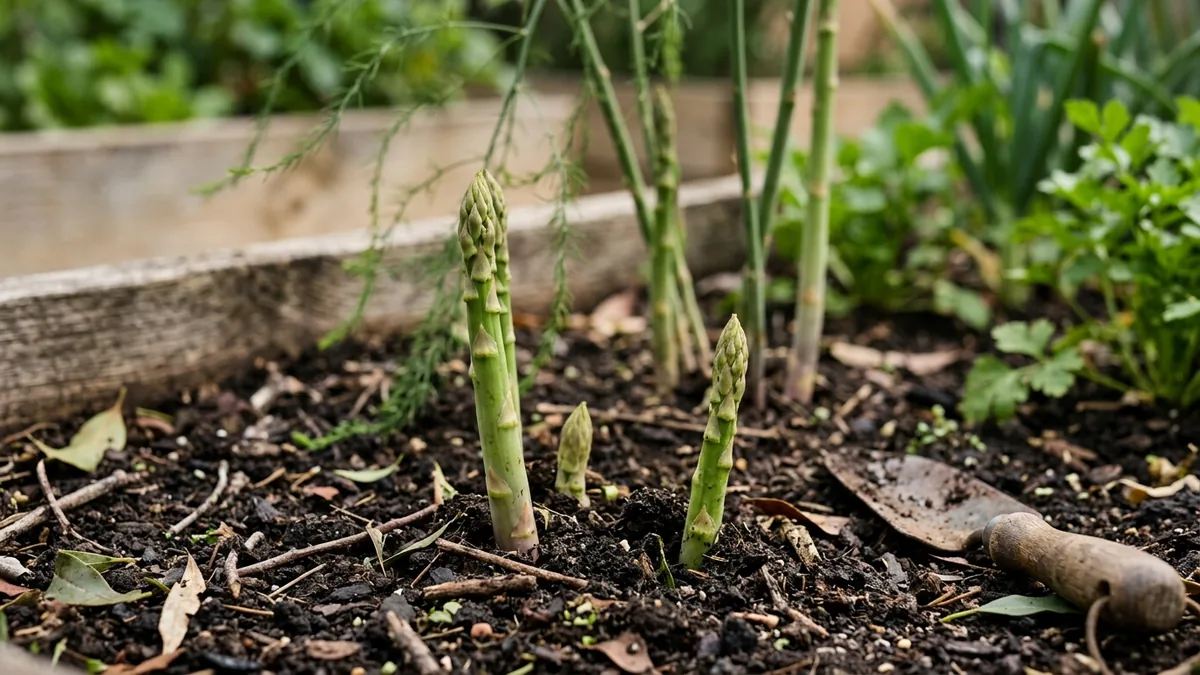
Plant it once, feed it well, and pick fresh spears every spring for 15 to 20 years.
What it looks like as it grows
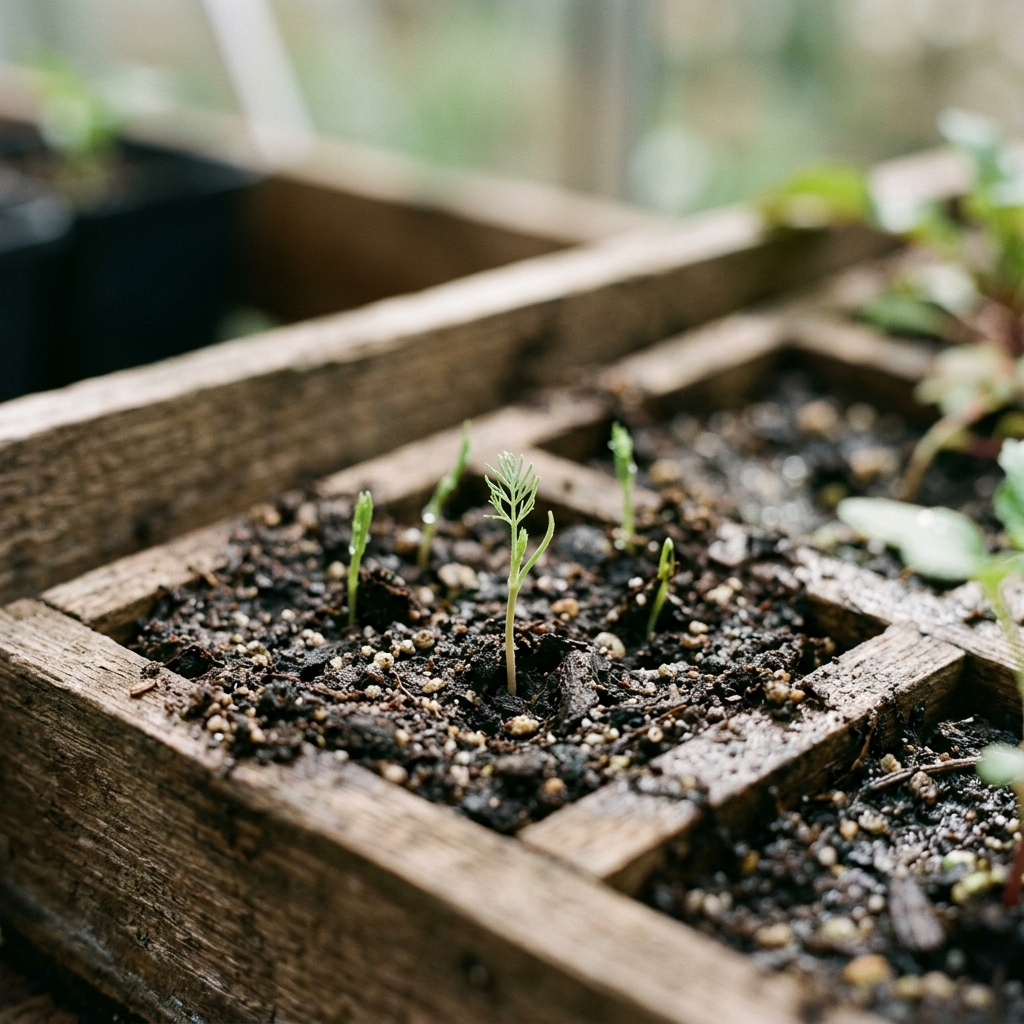
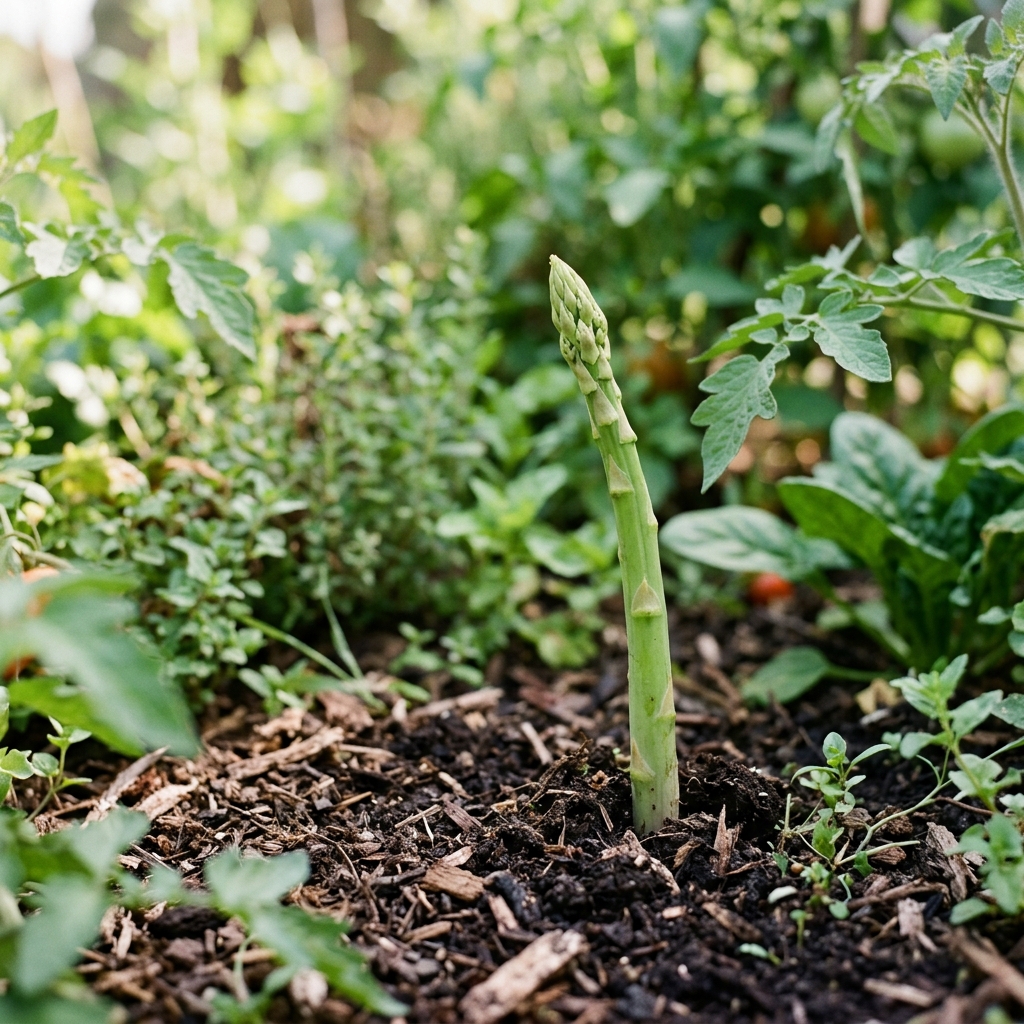
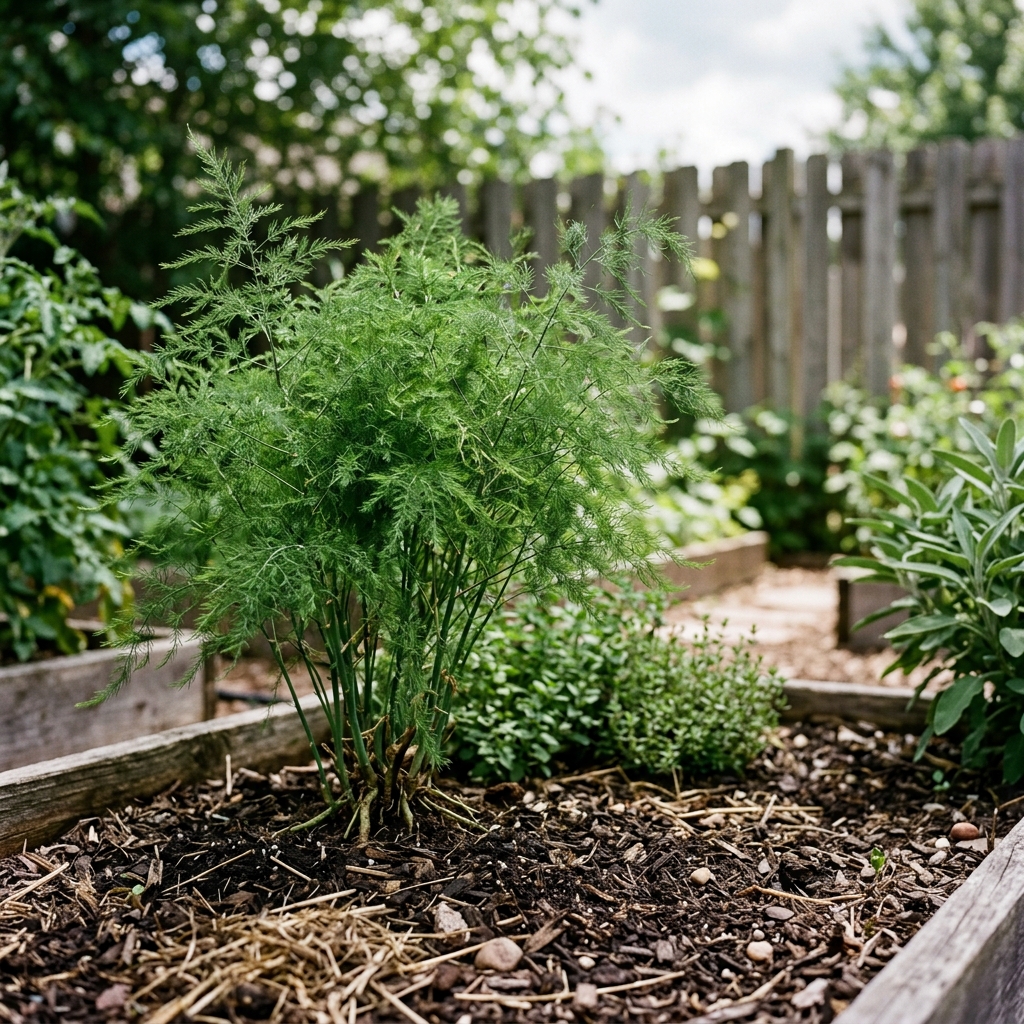
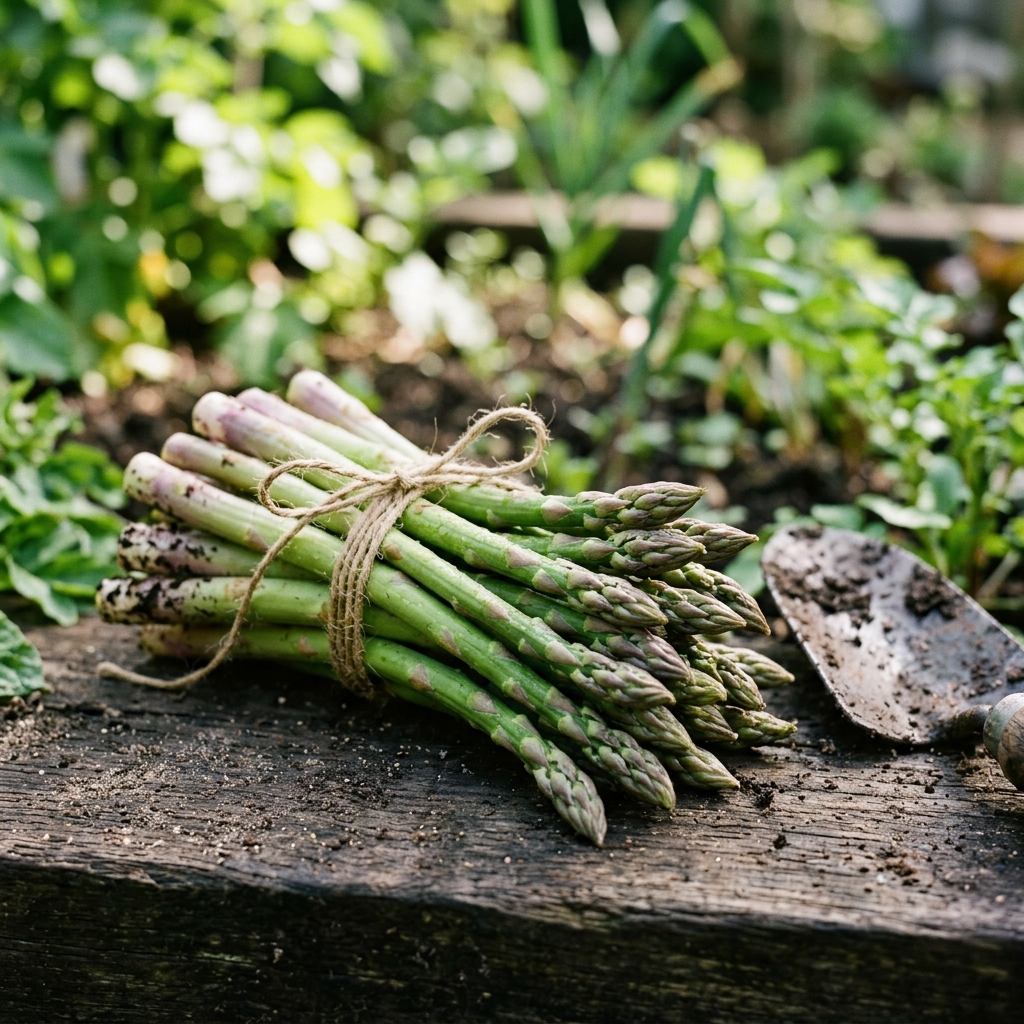
Asparagus is the long game of the vegetable garden. A bed you plant this spring can still be feeding you two decades from now, which is why it earns a permanent corner rather than a slot in the yearly rotation. The trade is patience. You give up the first year or two of harvest while the crowns build a deep, hungry root system, and in return you get one of the first crops of every spring for the rest of the bed's long life.
The single best decision you can make is to plant one year old crowns rather than seed, and to choose an all-male hybrid. Crowns reach a full harvest about a year ahead of seed, and all-male types pour their energy into spears instead of berries. Get the bed right at planting time and the rest is mostly feeding, mulching, and the steady discipline of weeding.
Asparagus bed planner and harvest timeline
Enter how many crowns you plan to plant and your in-row spacing. The planner gives you the bed length to prepare and shows when you can start picking.
Position and soil
Give asparagus full sun and the richest, best draining ground you have. The crowns sit in place for years, so soggy soil is the fastest way to lose a bed to crown rot. Work in plenty of well rotted compost or aged manure before planting, and loosen the soil deeply, because the roots run wide and down. A slightly raised bed helps in heavy clay or anywhere water tends to pool. Aim for a near neutral soil; asparagus dislikes strong acidity.
Clear every scrap of perennial weed before you plant. Once the crowns are in you cannot dig the bed over, so couch grass and other running weeds left in the ground will haunt you for years.
Planting crowns in a trench
Plant one year old crowns in early spring as soon as the soil can be worked. Dig a trench about 8 inches deep. Make a low ridge of soil along the bottom of the trench, drape the spider of fleshy roots over the ridge so they spread out and down, and set the crown bud-side up on top. Cover the crown with about 2 inches of soil to start.
As the first spears push up through the season, gradually backfill the trench a couple of inches at a time, always keeping the spear tips showing, until the trench is level with the surrounding bed by the end of summer. This staged backfilling is what gives asparagus its deep, well anchored crown.
Spacing
Set crowns 12 to 18 inches apart in the row, with rows 3 to 4 feet apart. Closer spacing gives you more spears, but they run thinner. Wider spacing produces fewer, fatter spears and better airflow, which matters in humid regions where rust and crown rot lurk. The planner above turns your chosen spacing into a bed length so you can prepare exactly the right run of trench.
Male, female, and all-male hybrids
Asparagus plants are either male or female. Female plants produce red berries and set seed, and that costs them energy that a male plant spends on spears. Female plants also drop seed that sprouts as weedy seedlings around the bed. Modern all-male F1 hybrids, the Jersey types in particular, sidestep both problems: they crop more heavily and they do not self sow. For a new bed, an all-male hybrid is almost always the better choice.
Watering and feeding
Asparagus is a heavy feeder. In early spring, before the spears appear, top dress the bed with compost and a balanced fertilizer, then mulch generously to hold moisture and smother weeds. A second feed after harvest, as the ferns take over, keeps the crowns building reserves for next year. Keep the bed evenly moist through the growing season, especially in its first two years and during the fern stage, but never waterlogged.
Weeding, the patience years, and the ferns
Weeding is relentless with asparagus, because you cannot cultivate deeply without slicing crowns. Mulch heavily and pull weeds by hand. Through the patience years, year one and into year two, resist the urge to cut. Every spear you leave standing turns into the tall, ferny growth that feeds the crown.
Let the ferns grow all summer. They are the engine that powers next spring's harvest. Once they yellow in late fall or winter, cut them right down to the ground and clear the debris, which also removes overwintering pests and disease. A fresh layer of compost and mulch then sets the bed up for spring.
Harvest and storage
Harvest in spring. Snap or cut spears at ground level when they reach 6 to 8 inches tall and the tips are still tight. Pick every day or two during the season, because spears come fast in warm weather and quickly run to fern. Stop the harvest when most new spears thin to pencil width; that is the plant telling you it needs the rest of the season to recharge.
Asparagus is at its sweetest within hours of cutting. Stand spears upright in an inch of water in the refrigerator, or wrap the cut ends in a damp cloth, and use within a few days. It also freezes well after a brief blanch.
Best asparagus varieties for US gardens
| Variety | Type | Why grow it |
|---|---|---|
| Jersey Knight | All-male F1 hybrid | High yielding and disease resistant. The US standard for new beds. |
| Jersey Giant | All-male F1 hybrid | Cold hardy and productive, a strong choice for colder northern zones. |
| Mary Washington | Heritage open-pollinated | The classic, widely available variety. Mixed male and female plants. |
| Purple Passion | Open-pollinated, purple | Sweet, low fiber, tender purple spears that are good raw or lightly cooked. |
| UC157 | Hybrid, heat tolerant | Bred for warmer conditions, the best bet for the South and West. |
US regions and seasons
Asparagus is hardy in roughly USDA zones 3 to 8, with some heat tolerant types stretching into zone 9. It needs a cold or dry dormancy each year, so it underperforms in the hot, humid Deep South and in frost-free zones where it never gets to rest. Plant crowns in early spring as soon as the soil can be worked, and harvest in spring. Gardeners in mild winter areas should choose a heat tolerant type such as UC157 and expect lighter, shorter lived beds.
Track your asparagus bed in the app
Log your planting date, set harvest reminders for spring, and get feeding and mulching prompts tuned to your region with Planting Season.
Open the App →Frequently asked questions
- How long does an asparagus bed last?
- A well sited, well fed bed produces for 15 to 20 years, sometimes longer. Because you will not be digging it over again, it pays to prepare the ground thoroughly before you plant.
- Should I grow asparagus from crowns or seed?
- Plant one year old crowns. They reach a full harvest about a year sooner than seed and give you a known, vigorous variety from the start.
- What are all-male hybrids and why do they yield more?
- Female plants spend energy setting seed and berries, while male plants put that energy into spears. All-male F1 hybrids such as Jersey Knight and Jersey Giant crop more heavily and do not self sow weedy seedlings.
- When can I start harvesting asparagus?
- Do not cut in the planting year. Take a light pick of two to three weeks in year two, stopping once spears thin to pencil width. From year three on, harvest fully for about six to eight weeks each spring.
- Why should I let the ferns grow all summer?
- The ferny growth after harvest feeds next year's crop. Leave it standing all summer, then cut it to the ground in late fall or winter once it has yellowed.
- Can I grow asparagus in the Deep South or frost-free areas?
- It is happiest in zones 3 to 8 because it needs a cold or dry dormancy. In the hot, humid Deep South and frost-free zones it struggles. Choose a heat tolerant type such as UC157 and expect lighter, shorter lived crops.
- How far apart should I space crowns?
- Set crowns 12 to 18 inches apart in the row, with rows 3 to 4 feet apart. Wider spacing gives larger spears and better airflow; closer spacing gives more, thinner spears.